CONSERVATION
Conservation & Restoration
Lake Mutanda is home to the spotted neck otter Hydrictis maculicollis, classified as a threatened species by IUCN. The population trend is decreasing and the many threats that they face such as habitat loss and degradation, pollution, overgrazing of wetlands and water extraction has had a negative impact on the quality of the aquatic habitat and the surrounding vegetation which the otters depend on. We hope to eradicate these threats through the work of WLCI.
The work of WLCI will not only have a positive impact on the spotted neck otter but also all the flora and fauna and the communities around these wetlands.
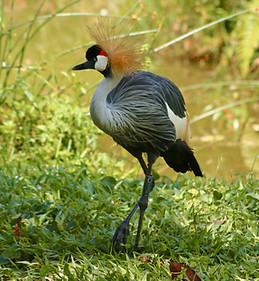
Wetlands around Lake Mutanda are vital ecosystems that supply freshwater, regulate hydrology, support fisheries, and sustain biodiversity—including key species like the Grey Crowned Crane—while providing livelihood opportunities for surrounding communities. Yet these wetlands have faced degradation from encroachment for agriculture, unsustainable resource extraction, and sedimentation, threatening ecological function and local economies.
Keystone species
Otters
There are four species of otters found on the African continent. The Eurasian, the spotted neck, the African clawless and the Congo clawless. The species of otter identified at Lake Mutanda is the spotted neck. It has white facial markings on its face and neck which are unique to each individual. They are classified as a threatened species by IUCN and the population trend is decreasing.
There are many threats to their survival such as habitat loss, degradation, pollution, over grazing of wetlands, water abstraction which have a negative
impact on the quality of the aquatic habitat and surrounding vegetation which the otters depend on.
Over fishing has a negative impact on their food resources and they can become caught in fishing nets. Noise and light pollution due to urbanisation can also have a negative impact on their well being.
Cranes
Endangered on the IUCN red list for threatened species. Uplifted to this category in 2012 due to rapid population decline caused by habitat loss, wetland degradation and illegal trade.
The species are heavily threatened by global numbers estimated to be declining particularly in East and South Africa. They are recognised as a priority species requiring urgent conservation measures under the African / Eurasian waterbird agreement AEWA.
The species is a national bird of Uganda and the population has dropped drastically in Uganda from 70,000 in 1970s to less than 10,000 by 2011. They are reliant on wetlands for breeding, foraging and roosting. They prefer areas with high rainfall or permanent water source. The habitat is under pressure from human activities such as agricultural expansion, drainage of wetland for development, over grazing and pollution which have reduced their natural range.